

Rubbish removal Fulham Broadway tips for fast clearances
Posted on 08/06/2026
If you need rubbish removal Fulham Broadway tips for fast clearances, the good news is that speed usually comes down to preparation, access, and choosing the right disposal method. A tidy, well-planned clearance can feel almost effortless; a chaotic one can drag on for hours, cost more than expected, and leave you juggling bags in a hallway while the day slips away. We have all seen that happen. In a busy part of West London like Fulham Broadway, where flats, maisonettes, shops, and small businesses sit close together, a fast clearance is less about brute force and more about smart sequencing.
This guide breaks down what actually helps when you want rubbish gone quickly, without cutting corners on safety or good practice. You will find a step-by-step approach, common mistakes, practical checklists, and a straightforward comparison of clearance options. There are also a few useful links to related guidance if you are planning a broader move, office reset, or property clean-out in Fulham.
Why Rubbish removal Fulham Broadway tips for fast clearances Matters
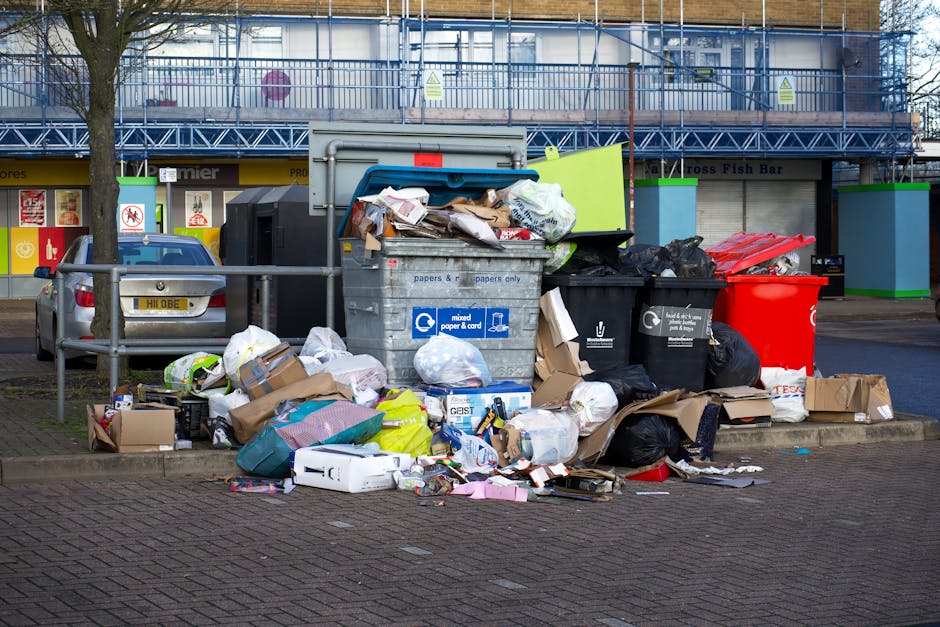
Speed matters because waste has a habit of getting in the way of everything else. A pile of broken furniture blocks a hallway. A few builder's bags turn into a trip hazard. Old office items sit around long after a refit should have been finished. And once clutter starts spreading, the job feels bigger than it really is.
In Fulham Broadway, that matters even more because access is often tighter than people expect. Shared entrances, stairs, parking pressure, loading restrictions, and neighbours who are trying to work from home all make timing important. If you are clearing a property near the station, even a small delay can throw off the whole plan. Truth be told, most "slow clearances" are not caused by the waste itself. They are caused by poor preparation.
That is why good rubbish removal advice focuses on removing friction. Sort the load before the vehicle arrives. Make access obvious. Decide what stays and what goes. Keep recyclable material separate if you can. Those small details make the difference between a brisk visit and a messy afternoon.
For readers planning a move, refurbishment, or sale, it can help to look at waste as part of the wider property journey. If you are preparing a flat for market, for instance, the planning mindset in buying real estate in Fulham also works in reverse when you are clearing one. And if you are settling into the area, the local context in Fulham local advice for new residents can make day-to-day logistics feel a bit less mysterious.
Expert summary: Fast rubbish removal is rarely about rushing. It is about reducing obstacles before the first item is lifted.
How Rubbish removal Fulham Broadway tips for fast clearances Works
A fast clearance usually follows a simple rhythm: assess, sort, load, remove, and responsibly dispose. The speed comes from how cleanly each step flows into the next.
1. Assessment before arrival
Before the clearance begins, a good operator will want to understand the type and volume of waste. That can include household junk, mixed rubbish, old furniture, garden cuttings, light builders' waste, or office furniture. The more accurate the description, the faster the removal can be. If you say "a few bits" but it is really a sofa, wardrobe, mattress, and three piles of bagged waste, that is when timing slips. Not ideal.
2. Sorting for faster loading
Sorting waste into obvious groups helps. Items that are easy to carry should not be hidden behind loose rubbish. Heavy objects should be placed so they can be removed safely. If you can separate reusable or recyclable items from general waste, you may also reduce unnecessary handling.
3. Access and logistics
In a place like Fulham Broadway, a clear path matters almost as much as the vehicle. If stairs, door codes, narrow hallways, or parking limitations are not thought through in advance, the job slows down. A sensible plan often includes reserving a space close to the property, checking whether lifts are available, and making sure someone can open access points without delay.
4. Loading and removal
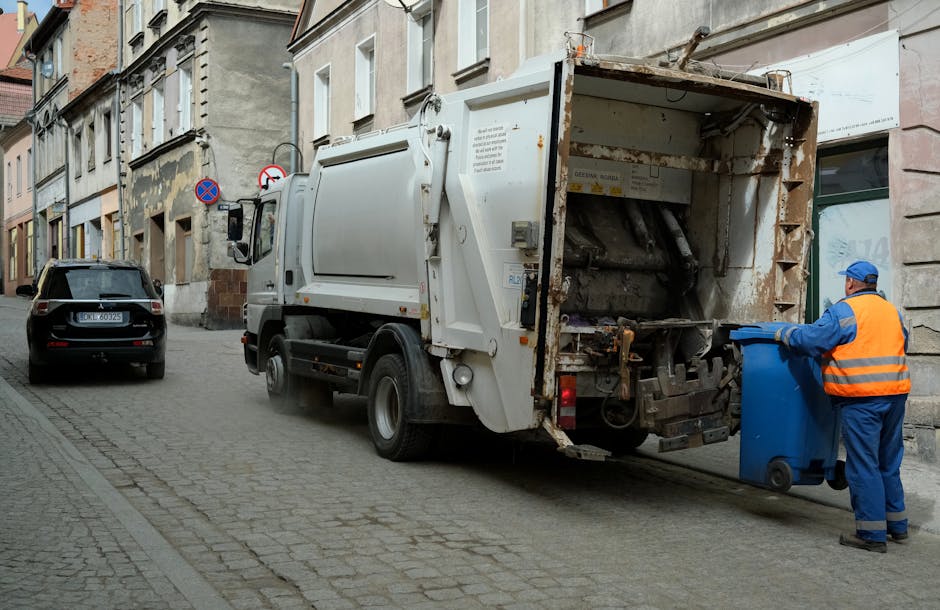
This is the visible part, but the hidden work has already been done. A properly organised clearance team can load efficiently because the waste is ready, the route is clear, and no one is trying to decide what belongs in which pile halfway through the job.
5. Disposal and onward handling
Fast does not mean careless. Responsible waste removal should still end with proper sorting, recycling where possible, and lawful disposal. If you want a broader overview of how a service is typically structured, the page on services overview is a useful companion read.
Key Benefits and Practical Advantages
The obvious benefit is time saved. But there is a lot more to it than that.
- Less disruption: A swift clearance reduces noise, foot traffic, and stress for neighbours or staff.
- Safer spaces: Clear floors mean fewer trips, fewer sharp edges, and less clutter in the way.
- Better decision-making: Once the space is clear, it is easier to decide on decorating, selling, renting, or replacing items.
- Cleaner handovers: If you are moving out, a faster clearance can help the property present well and avoid last-minute panic.
- Better value from the job: Well-prepared collections often feel smoother, because time is used on lifting and removal rather than sorting chaos on the spot.
There is also a psychological benefit that people underestimate. A cluttered room can feel like unfinished business. Clear it, and suddenly the day opens up a bit. You can breathe again. Simple as that.
For waste streams that need a more specific approach, relevant service pages can be helpful. For example, end-of-lease furniture jobs are often better handled through furniture disposal in Fulham, while post-project mess may be more suitable for builders waste disposal in Fulham. Choosing the right method often saves time before the job has even started.
Who This Is For and When It Makes Sense
This approach is useful for a wide range of people, not just homeowners with a garage full of old chairs. In practice, fast clearance tips help:
- tenants at the end of a lease
- landlords preparing a flat for new occupants
- homeowners clearing lofts, spare rooms, or basements
- small businesses dealing with office clutter
- tradespeople wanting site waste removed quickly
- people dealing with bereavement or inherited property clearances
- anyone who needs to reclaim space without making a whole weekend of it
It makes sense when the pile-up is too big for a normal bin run, too awkward for a car boot, or too time-sensitive to leave hanging around. If you are staring at a sofa, an old mattress, and a collection of cardboard that has become more of a monument than a recycling pile, yes, this is probably for you.
One local scenario comes up often: someone has just finished a small renovation near the Broadway and needs the place cleared before decorators arrive the next morning. In that situation, speed is not a luxury. It is the whole point.
Step-by-Step Guidance
If you want a faster clearance, do the easy things first and do them in the right order. That sounds obvious, but it is where most people go slightly off track.
Step 1: Decide what actually needs to go
Walk through the space and separate items into three groups: keep, remove, and unsure. Be ruthless with the "unsure" pile. If you still have not used it in a year, there is a decent chance it is clutter wearing a disguise.
Step 2: Group items by type
Put similar items together. Furniture in one place. Bagged rubbish in another. Loose recyclables separately if possible. This reduces wasted movement later and helps with safer lifting.
Step 3: Clear access routes
Open doors, move fragile objects, and make sure hallways are passable. If items are in a loft, bedroom, or office back room, create a clear route to the exit. In a shared building, let neighbours know if access might briefly be busy. A small heads-up can prevent a small hassle from turning into a bigger one.
Step 4: Confirm parking and timing
If access is awkward, parking becomes a major part of the job. Near Fulham Broadway, a few extra minutes spent planning the loading point can save half an hour later. Early morning or mid-afternoon slots can also feel calmer than peak times, though availability depends on the day and the crew.
Step 5: Photograph the load if needed
Photos can help make the job clearer and reduce misunderstandings. This is especially useful for mixed loads or larger clearances. A quick set of pictures can sometimes be more useful than a long message. Not glamorous, but effective.
Step 6: Separate anything sensitive
Paper records, personal documents, storage devices, and other private items should be removed first and handled separately. If you are clearing an office, this step matters even more. For business premises, office clearance in Fulham is often the better fit when desks, filing, and IT clutter all need attention at once.
Step 7: Keep a final walk-through in reserve
Before the team leaves, do a quick scan of cupboards, under sinks, loft corners, and behind furniture. People forget places. It happens constantly. One last look often finds the one item that would have annoyed you all evening.
Expert Tips for Better Results
Here are the details that tend to make the biggest difference in real life.
- Start with the biggest items: Large furniture can block movement and create delays if left until last.
- Bag loose waste before collection day: Loose rubbish is slower to move and messier to handle.
- Label special items: Mark anything delicate, reusable, or not to be removed.
- Choose a realistic collection window: A tight slot is fine, but only if the property is genuinely ready.
- Keep a clear "do not touch" zone: This is especially useful in shared homes or mixed-use buildings.
- Think about recycling early: It is easier to separate materials before they are all in one heap.
A small but important point: if the job includes loft clutter, it is usually worth planning for dust, low headroom, and awkward lifting angles. Loft clearances can look simple from the floor below, then suddenly become a bit of a workout once you are up there. If that sounds familiar, loft clearance in Fulham is the kind of job where preparation really pays off.
Another useful habit is to stage items by weight. Put the easiest-to-carry waste near the exit and the awkward stuff where it can be handled last, not first. That sounds almost too neat to mention, but it saves energy and a fair bit of grumbling.
Common Mistakes to Avoid
Fast clearances go wrong for predictable reasons. The good news is that most are easy to fix.
1. Underestimating the volume
People often guess by eye and underestimate. A single sofa may not look like much, until you add drawers, lamps, bags, broken shelving, and that one old chair nobody wants to admit belongs to them.
2. Leaving sorting until the last minute
If everything is dumped in one place, the team has to spend time untangling it. That slows the job down and can increase handling time.
3. Forgetting access details
Parking restrictions, narrow stairwells, locked gates, or no lift access should not be a surprise on arrival. The more access details are shared early, the smoother the day.
4. Mixing unwanted items with valuables
This sounds obvious, but in a rush it is easy to lose smaller things. Keys, paperwork, accessories, charging cables, and sentimental bits often hide in clutter. Best to remove them before anything else.
5. Choosing the wrong service type
General rubbish removal is not always the best fit. Garden waste, furniture, house clearances, and builders' waste each have their own handling needs. If the waste stream is specific, use the more suitable option rather than forcing everything into one bucket. It is usually faster that way, oddly enough.
6. Ignoring sustainability
Rushing should not mean sending everything to disposal by default. A more thoughtful approach often allows recyclable items to be separated. If sustainability matters to you, the page on recycling and sustainability is a sensible place to start.
Tools, Resources and Recommendations
You do not need fancy equipment for a tidy clearance, but a few basic tools make a noticeable difference.
- Sturdy bin bags: Good-quality bags are essential for loose rubbish and lightweight household waste.
- Label tape or sticky notes: Handy for marking items to keep, remove later, or handle carefully.
- Work gloves: A basic safety measure when moving sharp, dusty, or awkward items.
- Furniture sliders or a dolly: Useful for moving bulky items without damaging floors.
- Flashlight: Surprising how often this matters in lofts, cupboards, and behind appliances.
- Measuring tape: Helps confirm whether a bulky item can be taken through a doorway without drama.
On the information side, a few pages can support your planning. If you are comparing service scope or trying to understand the difference between clearance types, waste clearance in Fulham and rubbish collection in Fulham are both useful to review, depending on the job. For larger household jobs, house clearance in Fulham gives a clearer sense of what a fuller clean-out can involve.
If you are just starting to compare providers, the page on pricing and quotes may help you think about how estimates are usually structured. And if you want to understand the company background before booking anything, about us is worth a look.
Law, Compliance, Standards, or Best Practice
Rubbish removal in the UK is not just a practical task; it also has a duty-of-care side. You do not need to become a legal expert, but you do need to know the basics. Waste should be handled responsibly, transported properly, and taken only to legitimate disposal or recovery routes.
For householders, the most useful rule of thumb is simple: do not hand waste over blindly. Ask how it is handled. If items are being taken away, it is reasonable to expect sensible sorting, responsible disposal, and a clear approach to safety. For businesses, the standard is even higher because records, furniture, and trade waste can all carry additional obligations.
Best practice also includes safety on site. Lifting heavy items without checking routes or footing can lead to avoidable accidents. A proper clearance should factor in stairs, awkward angles, sharp edges, and the risk of damaging walls or floors. That is one reason the page on insurance and safety can be reassuring if you want to understand the practical precautions involved.
Privacy and payment practices matter too, particularly for office and landlord clearances where documents or card details may have been stored in the space. If you are the cautious sort, which is fair enough, payment and security and privacy policy are worth checking before you commit. No need to overthink it, just be sensible.
Options, Methods, or Comparison Table
Not every clearance needs the same approach. The right option depends on volume, urgency, access, and the kind of waste involved.
| Method | Best for | Speed | Notes |
|---|---|---|---|
| Self-clearance | Small amounts, easy access, low urgency | Moderate to slow | Good for tiny jobs, but can become time-consuming and physically tiring. |
| One-off rubbish collection | Mixed household waste, bagged rubbish, smaller bulky items | Fast | Best when the space is already sorted and ready to go. |
| Furniture disposal | Sofas, wardrobes, tables, mattresses | Fast to very fast | Ideal when the main problem is heavy or awkward furniture. |
| House clearance | Whole-room or whole-property clearance | Fast if well planned | Often the smartest choice for bigger domestic jobs. |
| Office clearance | Desk clear-outs, IT clutter, filing, commercial furniture | Fast with access planning | Useful for business moves, refurbishments, or end-of-lease handovers. |
| Builders waste disposal | Renovation debris, offcuts, rubble, project waste | Fast if separated | Usually best when the waste is already grouped by project type. |
For garden jobs, you would naturally choose a different route again. In that case, garden waste removal in Fulham is the more relevant option, especially after pruning, landscaping, or a tidy-up that leaves you with a very unglamorous pile of cuttings.
Case Study or Real-World Example
Here is a realistic example from the kind of job people in Fulham Broadway often face.
A homeowner had recently finished decorating a one-bedroom flat close to the station. The hallway had become the dumping ground for old shelving, flat-pack packaging, a broken bedside unit, two bags of mixed rubbish, and a mattress that had somehow been ignored for months. Nothing dramatic. Just enough clutter to make the place feel unfinished.
Rather than waiting until the last minute, they sorted everything the evening before: bulky furniture by the front door, loose waste bagged and tied, paperwork removed, and the route to the exit cleared. They also confirmed access details and made sure the lift would be available. The result was a much quicker clearance than they had expected. No standing around. No back-and-forth. No "where does this go?" every two minutes.
What made the difference was not speed alone. It was readiness. To be fair, that is usually the whole story.
A similar principle applies to landlords after tenant move-out or to small businesses that need a tidy reset before a new lease starts. The less uncertainty at the start, the faster the end result.
Practical Checklist
Use this checklist if you want a quicker, smoother rubbish removal day.
- Identify exactly what needs to be removed
- Group items by type: furniture, bags, recyclables, builders' waste, or mixed rubbish
- Remove valuables, documents, and personal items first
- Clear hallways, staircases, and the route to the exit
- Check parking and access details in advance
- Take quick photos if the load is large or varied
- Separate fragile or reusable items
- Keep one final walk-through for cupboards, loft corners, and behind furniture
- Choose the most relevant clearance type for the waste you have
- Confirm how the waste will be handled after collection
Small thing, big difference. That is usually the pattern with clearances.
Conclusion
Fast rubbish removal around Fulham Broadway is absolutely achievable when you prepare properly and choose the right approach for the waste in front of you. Sort first, clear access, think about parking, and match the job to the right type of collection. Do that, and the whole process becomes calmer, quicker, and far less messy than most people expect.
If you are planning a flat clearance, office reset, or furniture removal, keep the focus on the practical bits that save time. A good clearance is rarely about rushing. It is about removing friction and letting the job flow.
Get a free quote today and see how much you can save.
And if you are still standing in a room full of unwanted stuff wondering where to begin, start with one bag, one corner, one decision. The rest follows.

 Tipper Van - Rubbish Removal and Waste Clearance Prices in Fulham, SW6
 Luton Van - Rubbish Removal and Waste Clearance Prices in Fulham, SW6

