

New Kings Road bulky rubbish collection insider tips
Posted on 17/10/2026
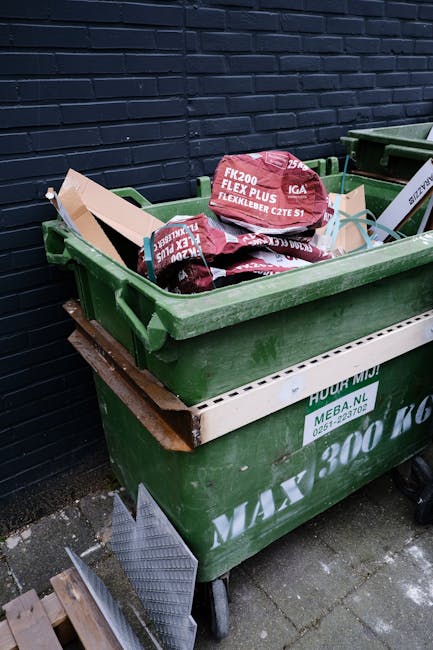
If you live, work, or are moving along New Kings Road, bulky rubbish has a habit of appearing at exactly the wrong moment. A sofa blocks the hallway. A broken wardrobe sits in the spare room. A renovation leaves you with awkward timber, packaging, and old fittings that won't fit in the boot of the car, even if you tried. That's where New Kings Road bulky rubbish collection insider tips become genuinely useful. The aim is not just to "get rid of stuff". It's to do it quickly, safely, and without creating extra hassle for neighbours, pedestrians, or your own schedule.
This guide walks through how bulky waste collection usually works in practice, what people often get wrong, and the small local details that make the process smoother. You'll also find a practical checklist, a comparison table, and a few no-nonsense tips from the sort of jobs that look easy from the outside and turn into a bit of a shuffle once you start. Let's make it simpler.
Why New Kings Road bulky rubbish collection insider tips Matters
Bulky rubbish is different from everyday waste. A few bin bags are one thing; a mattress, table, or dismantled kitchen carcass is another. On a busy road like New Kings Road, the challenge is not just volume. It's access, timing, and making sure the job doesn't create inconvenience for everyone else on the street.
Insider tips matter because they help you avoid the usual friction points: items left out too early, poor lifting decisions, blocked entrances, and collections that take longer than they should. You also avoid the classic "we thought it would fit" moment. It rarely does.
There's a local rhythm to these jobs. Deliveries happen. School runs happen. People are in and out with dogs, prams, bikes, and shopping bags. If bulky waste is handled clumsily, it stands out fast. If it's handled well, it disappears with very little fuss. That's the difference good preparation makes.
If you're planning a wider clear-out, it can help to think about the job as part of a bigger reset. People moving home often pair it with advice from Fulham local advice for new residents, while property buyers and sellers sometimes coordinate disposal alongside work discussed in Buying Real Estate in Fulham. Different reasons, same outcome: less clutter, less stress, and a cleaner handover.
How New Kings Road bulky rubbish collection insider tips Works
At its simplest, bulky rubbish collection follows a straightforward path: identify what needs removing, decide whether it can be broken down, arrange a suitable collection method, and make sure the items are ready to go. The "insider" part is knowing how to do each step efficiently.
Most bulky items fall into one of three buckets:
- Household bulky waste like beds, sofas, wardrobes, tables, and white goods.
- Renovation or moving leftovers like broken shelving, doors, mixed materials, and packaging.
- Business or mixed-use waste from small offices, clinics, studios, or shared buildings.
On New Kings Road, access is often the real issue. Is there a lift? Are you on a top floor? Is there a narrow staircase? Can a van stop nearby without causing a bottleneck? These little questions are where jobs either go smoothly or become a mild headache.
In practice, a good collection process usually starts with a quick assessment. The clearer the picture, the easier it is to estimate labour, vehicle size, and whether the items need dismantling. If the rubbish is mixed, separating reusable items, recyclable materials, and true disposal waste can reduce wastefulness and make the job cleaner overall. If sustainability matters to you, it should, a little, then recycling and sustainability guidance is worth looking at before anything goes in the van.
Key Benefits and Practical Advantages
The obvious benefit is obvious: the clutter goes. But the practical advantages go further than that.
- Faster turnaround - With a clear plan, bulky items can be removed in one visit instead of lingering for days.
- Less disruption - Good preparation keeps hallways, pavements, and entrances clear.
- Safer lifting - Heavy or awkward items are less likely to cause injury when handled properly.
- Better recycling potential - Separating materials early often leads to better disposal outcomes.
- Cleaner presentation - Useful if you're moving, letting, renovating, or opening a business.
There's also a mental benefit that people underestimate. A room full of old furniture or broken fittings has a way of hanging over you. Once it's gone, the space feels different. Brighter. Calmer. Slightly more breathable. To be fair, that part matters more than people admit.
If your clear-out is tied to a property refresh, it can be helpful to read your Fulham real estate investment handbook alongside this guide. Good waste planning and good property planning are more connected than they look at first glance.
Who This Is For and When It Makes Sense
This kind of collection is useful for a wide range of people. Some are moving house. Some have just bought new furniture and need the old pieces out. Others are clearing a loft, office, or garden after months of putting it off. That's normal, by the way. Most people don't wake up excited about sorting a broken chest of drawers.
It makes particular sense if you are:
- Replacing bulky household furniture
- Clearing a flat before or after a tenancy change
- Dealing with refurbishment waste
- Emptying a loft, basement, or spare room
- Removing old office furniture or storage units
- Trying to avoid multiple trips to a disposal site
Sometimes the job is part of a larger project. A new family moving into the area might need furniture removed before boxes arrive. Someone hosting guests after a big clean-out might simply want the living room back to normal. And if you're planning an event, you may be juggling more than one moving part; for example, local hosts often think ahead using ideas from Great places for parties in Fulham when planning around space, access, and post-event tidy-up.
Step-by-Step Guidance
Here's the simplest way to handle a bulky collection without making a meal of it.
- Walk the property first. Check every room, hallway, cupboard, and outside space. Old items like to hide in plain sight.
- Separate items by type. Group furniture, electricals, garden waste, builders' offcuts, and general junk where possible.
- Measure awkward pieces. If a sofa or wardrobe needs to pass through a tight stairwell, know the dimensions before collection day.
- Decide what can be dismantled. A bed frame, for example, is often easier to move in pieces. Same goes for some shelving and flat-pack units.
- Clear a path. Move rugs, fragile decor, bicycles, and anything that could trip someone up.
- Reserve access space. If there's limited parking or a narrow frontage, organise the loading point early.
- Check for mixed waste. Paint tins, chemicals, fridges, and some electricals may need special handling. Don't mix them in blindly.
- Confirm timing. Collection works best when the property is ready before the crew arrives. It sounds basic, but this step saves a surprising amount of time.
A small real-world example: if you've got a wardrobe, two broken dining chairs, a mattress, and some renovation packaging, it may be quicker to dismantle the wardrobe in advance and bundle the lighter materials together. That tiny bit of prep can cut down on labour time and make the pickup cleaner. Not glamorous. Very effective.
Expert Tips for Better Results
Here's where the useful little details live. These are the sorts of things that separate a tidy collection from a slightly messy one.
Book with access in mind, not just item count
Two rooms of rubbish on the second floor can take longer than a whole ground-floor flat. Access is often the hidden variable. If the collection provider knows about staircases, parking restrictions, loading distance, or tight entrances, they can plan properly.
Do the easy dismantling yourself, if safe
Removing screws from a bed frame or taking legs off a table can make a job much easier. Don't force anything, though. If a piece is brittle, awkward, or heavy, leave it alone. A wobbling wardrobe in a narrow hallway is nobody's idea of fun.
Keep recyclable and non-recyclable items separate
This is not only neater, it usually helps with sorting later. Cardboard, untreated wood, metal frames, and clean hard plastics are easier to process when they are not buried under general waste.
Photograph unusual items
If you have awkward, unusual, or large items, a few quick photos can help explain the job more clearly. That's especially useful for things like exercise equipment, bulky office chairs, or mixed materials from a small refurb.
Schedule around your building's quiet hours
In many parts of London, the noise from dragging furniture down stairs at the wrong time can be more annoying than the actual collection. Mid-morning often works better than the edges of the day, but always think about what suits your building and neighbours.
And yes, a surprising amount of success comes down to simple politeness. Let the people around you know what's happening. It smooths the whole thing out.

Common Mistakes to Avoid
People make the same few errors again and again. Nothing disastrous, usually, just inconvenient.
- Leaving everything to the last minute. This often leads to poor sorting and rushed decisions.
- Underestimating volume. One "big pile" can turn into three separate loads once you actually look closely.
- Mixing hazardous items in with ordinary junk. That can slow everything down and cause avoidable risk.
- Blocking access routes. Hallways, fire exits, and shared entrances should stay clear.
- Forgetting about parking or loading space. On busy roads, that matters more than people think.
- Assuming everything goes in the same way. White goods, electricals, and certain materials may need different handling.
A classic mistake is treating bulky waste like bagged rubbish. It's not the same job. One is a tidy carry-out; the other is a mini logistics exercise. Mildly annoying, yes. But manageable.
Tools, Resources and Recommendations
You do not need a warehouse of equipment, thankfully. But a few basic tools make a real difference.
- Workbench knife or screwdriver set for safe dismantling
- Heavy-duty gloves to reduce splinters, sharp edges, and grime
- Sturdy sack truck or trolley for moving heavier items over short distances
- Clear labels or tape for separating keep, donate, recycle, and remove piles
- Measuring tape for doors, lifts, stairwells, and awkward furniture
- Phone camera for documenting complex or mixed items
For people who like a smoother all-in-one approach, it can help to understand the wider service options first. A clear overview on services overview can be useful if your bulky rubbish is part of a larger household, office, garden, or building project. Likewise, if the job is mainly old furniture, furniture disposal is a natural fit, while lofts and storage spaces may be better matched with loft clearance.
If the waste comes from a refurb or trade-style project, the shape of the job is different again. In those cases, builders waste disposal tends to be the more relevant route. For outdoor waste, garden waste removal is usually the better match. That distinction sounds simple, but it saves confusion later.
Law, Compliance, Standards, or Best Practice
Bulky rubbish collection sits within ordinary UK waste-handling expectations, so the main thing is to avoid casual disposal habits that could create problems later. The exact rules can vary depending on the type of waste, the property, and local arrangements, so it is sensible to treat compliance as a practical responsibility rather than an afterthought.
As a general best practice, keep these points in mind:
- Do not mix hazardous or specialist waste with normal bulky waste.
- Keep access routes safe and clear for residents, staff, and collection teams.
- Use sensible lifting and handling methods for heavy or awkward items.
- Confirm how different waste streams should be sorted before the day of removal.
- Retain relevant paperwork or confirmation for business, landlord, or move-out records where needed.
If you want to understand how responsible disposal ties into broader service standards, the pages on insurance and safety and terms and conditions are useful context. For customers who care about transparency and payment confidence, payment and security and pricing and quotes help explain the practical side of booking. Nice to know, really, before you commit to anything.
Options, Methods, or Comparison Table
There is more than one way to handle bulky rubbish. The best option depends on quantity, access, urgency, and how much effort you want to spend doing the sorting yourself.
| Method | Best for | Pros | Watch-outs |
|---|---|---|---|
| Self-clear and transport | Small loads, good vehicle access, low-risk items | Complete control, flexible timing | Time-consuming, heavy lifting, parking and loading hassle |
| One-off bulky collection | Mixed household items, furniture, moderate quantities | Convenient, quicker, less physical effort | Needs good prep and clear item list |
| Full clearance service | Large or mixed clear-outs, multi-room jobs, tight deadlines | Fast, organised, useful for bigger projects | May be more than you need for a small pile |
| Specialist disposal route | Builders' waste, loft contents, office furniture, garden waste | Better matched to the waste type | Less suitable if the load is mostly general household items |
If your rubbish sits somewhere between categories, that's common. A spare room might contain furniture, boxes, a broken lamp, and a bit of old DIY waste. In that situation, a broader clearance option can be more efficient than trying to split the job into tiny pieces.
Case Study or Real-World Example
Here's a realistic scenario. A small flat just off New Kings Road is being prepared for a new tenant. The outgoing occupant has left behind a sofa, a dismantled bed base, two office chairs, several bags of mixed clutter, and a cracked bookcase. Nothing dramatic. Just enough to be awkward.
The first instinct is often to tackle it room by room in a rush. But that creates extra handling and slows everything down. A better approach is to:
- Separate furniture from loose clutter
- Break down the bed base before moving anything else
- Clear the hallway first so access stays open
- Check whether the sofa needs two people or more for safe movement
- Group smaller items near the exit for quick loading
In practice, the job ends up smoother because the path is clear and the collection is structured. One person at the property even joked that the flat looked bigger once the old chair had gone. That's not exactly a scientific measure, but it does capture the feeling.
For nearby readers dealing with related local clearance issues, articles like rubbish removal Fulham Broadway tips for fast clearances and SW6 rubbish clearance guide for Parsons Green homes can add useful location-specific context without overcomplicating the process.

Practical Checklist
Use this before collection day. It saves time, and a bit of sanity too.
- Identify every bulky item you want removed
- Separate furniture, electricals, and mixed waste
- Measure the largest awkward items
- Check stairways, lifts, and door widths
- Make a clear access route from item to exit
- Set aside any items you want to keep
- Bundle smaller loose pieces together
- Remove personal items from drawers, shelves, and cupboards
- Note anything heavy, fragile, or unusual
- Think about parking and loading access
- Confirm whether anything needs special handling
- Have the space ready before the collection arrives
Expert summary: the smoothest bulky rubbish collections are rarely the ones with the fewest items. They're the ones where the access is clear, the waste is sorted sensibly, and the owner has spent ten minutes thinking ahead. That tiny bit of prep pays off.
And if you are comparing your options or getting your next move organised, it is worth checking the broader waste clearance approach that suits your situation rather than forcing a one-size-fits-all fix.
Get a free quote today and see how much you can save.
Conclusion
New Kings Road bulky rubbish collection is easiest when you treat it as a small logistics job rather than a last-minute chore. A little planning goes a long way: measure the awkward things, sort the load, keep access open, and choose the disposal method that matches the waste rather than the other way around. Simple, but not always easy when life is busy.
The best insider tip of all? Don't wait until the pile feels overwhelming. Once you start separating what stays, what goes, and what needs special handling, the whole process becomes much less intimidating. That breathing space matters. And when the last bulky item finally leaves the room, the difference is instant. Quieter, clearer, lighter. A small win, but a real one.
 Tipper Van - Rubbish Removal and Waste Clearance Prices in Fulham, SW6
 Luton Van - Rubbish Removal and Waste Clearance Prices in Fulham, SW6

