

Fulham Palace rubbish removal for event cleanups
Posted on 14/07/2026
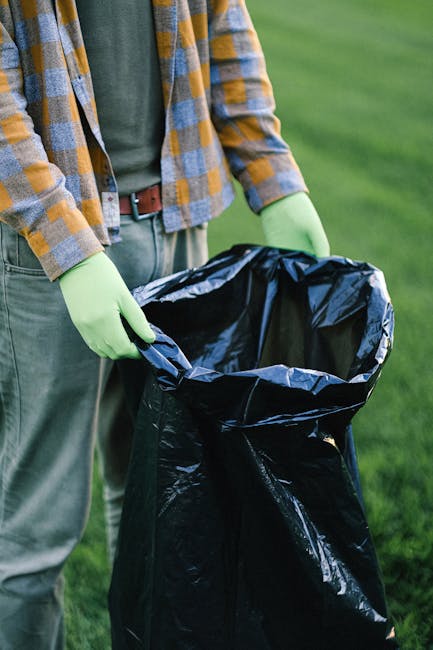
Fulham Palace rubbish removal for event cleanups: a practical local guide
If you are dealing with Fulham Palace rubbish removal for event cleanups, you probably do not need a vague overview. You need a clear plan: what gets cleared, how fast it can happen, what to do with mixed waste, and how to avoid the awkward post-event scramble that seems to hit right when everyone else is heading home. Whether it is a private function, a community gathering, a wedding reception nearby, or a corporate hospitality event, event waste has a habit of multiplying quietly in the background. Cups, broken packaging, table decor, leftover food, floral waste, cardboard, bottles, damaged furniture, and those final bits of staging material all need dealing with properly.
This guide walks through the process in plain English. You will find the main benefits, the common mistakes, a step-by-step approach, compliance points worth knowing, and a few realistic examples drawn from the kind of clear-ups people actually face in Fulham. If you also want broader local context, the posts on great places for parties in Fulham and Fulham local advice for new residents are useful background reading.
Let's face it, after an event people rarely want to spend the next morning sorting bins. The faster the clean-up is handled, the sooner the venue is back to normal and the less chance there is of complaints, damage, or missed items lingering by the exit. Simple enough in theory. In real life, not always.
Expert takeaway: the best event cleanups are not the ones that look dramatic; they are the ones that are planned early, sorted sensibly, and removed in one smooth sweep before rubbish becomes a problem.
For a broader look at the area and how people use local spaces, you may also find this local Fulham guide helpful, especially if your event sits somewhere between formal and relaxed.
Why Fulham Palace rubbish removal for event cleanups matters
Event cleanups are not just about aesthetics. They affect safety, timings, guest experience, and whether the venue is ready for the next booking or day's use. Around Fulham Palace, that matters even more because event spaces, access routes, and nearby streets can be busy, and the last thing anyone wants is refuse left stacked in doorways or loading areas. A neat room after the party is nice. A safe, cleared, fully usable space is better.
In practical terms, event rubbish tends to be mixed. That is the first challenge. You might have recyclable drinks packaging beside food waste, decorative materials beside cardboard boxes, and disposable tableware mixed with loose items that could still be reused. Without a system, clean-up becomes slower and more expensive. Worse, someone usually assumes "someone else is dealing with it." That phrase is basically the universal anthem of post-event chaos.
The local angle matters too. Fulham has a mix of residential streets, hospitality venues, private houses, and multi-use spaces. That means rubbish removal needs to be discreet, timed well, and respectful of neighbours. A quick sweep, sensible loading, and tidy departure are not just nice touches; they often make the difference between a smooth finish and a messy one.
If your cleanup follows a commercial or workplace-style event, the guidance around office clearance in Fulham can also be relevant, especially for conference-style setups, launch events, and staff functions. The same goes for any occasion where furniture, signage, or temporary equipment needs removing afterwards.
How Fulham Palace rubbish removal for event cleanups works
The process is usually more straightforward than people expect, but only if it is organised in the right order. Good event waste clearance is part planning, part sorting, and part timing. When those three pieces line up, the whole thing tends to move quickly.
1. Assess the waste before the event ends
Before the last guests leave, take a quick look at what has actually accumulated. Not every item needs the same treatment. Cardboard can often be separated from mixed waste. Drinks containers may be recyclable. Catering leftovers may need food-waste handling. Broken decor, disposable props, and damaged furniture are a different category again.
2. Group waste by type
Even a rough split helps a lot. For example:
- general mixed rubbish
- recyclables such as cardboard, cans, and bottles
- food and organic waste
- event materials like signage, fabric, and displays
- bulky items such as tables, chairs, or staging parts
This simple separation speeds up loading and can improve recycling outcomes. It also reduces the odd feeling of trying to untangle a bin bag full of everything from napkins to cable ties. Not glamorous, but there we are.
3. Arrange access and collection timing
In event settings, timing is everything. If rubbish is removed too early, you risk disturbing the event. Too late, and you end up with bags blocking corridors or sitting out overnight. A sensible collection window is usually after the main clear-down, once staff or organisers have finished their final checks.
4. Remove and load safely
Waste should be moved carefully, especially if there are sharp, heavy, or awkward items. This matters not just for safety but also to protect floors, walls, lifts, and entrances. In the real world, one dragged box can do more damage than people expect. Event cleanups often happen in a hurry, so a disciplined loading routine helps.
5. Sort for reuse, recycling, or disposal
Not all event waste should go straight to disposal. A responsible cleanup will look for reusable items, recyclable materials, and items that can be separated from contaminated waste. If you have a sustainability aim for the event, this stage is where it becomes more than a nice-sounding idea.
Key benefits and practical advantages
A well-managed cleanup delivers more than just a clean floor. It protects the event organiser's reputation, reduces stress, and often saves time. That sounds obvious, but in practice the benefit shows up in the small things: staff finishing on time, guests leaving without tripping over bags, and the venue looking presentable the next morning.
| Benefit | What it means in practice | Why it matters for event cleanups |
|---|---|---|
| Speed | Waste is cleared promptly after the event | Helps venues reset quickly |
| Safety | Trip hazards and sharp waste are removed | Reduces accidents during and after breakdown |
| Presentation | The site looks tidy and professional | Useful for recurring bookings and brand image |
| Compliance | Waste is handled in line with UK expectations | Supports responsible disposal and duty of care |
| Efficiency | Less staff time spent on manual hauling | Lets event teams focus on guests and operations |
For larger venues or events that involve plant pots, outside decor, or post-event garden spillover, it can even overlap with garden waste removal in Fulham if there has been outdoor styling, floral waste, or temporary landscaping. A lot of event waste is not as neatly "indoor" or "outdoor" as people imagine.
There is also a brand benefit that organisers sometimes overlook. If guests see a place being cleared professionally, it signals competence. It says someone had a grip on the event from start to finish. Tiny detail, big impression.
Who this is for and when it makes sense
This kind of rubbish removal is useful for a wide range of people. It is not just for formal event venues. In fact, some of the messiest cleanups happen after apparently small gatherings, because a modest event can still produce a surprising amount of waste.
- Event organisers planning functions at or near Fulham Palace
- Private hosts handling parties, anniversaries, or family celebrations
- Venue teams needing a fast reset between bookings
- Caterers clearing packaging, disposable service items, and leftovers
- Corporate teams managing launches, receptions, or hospitality events
- Community groups arranging charity, cultural, or seasonal gatherings
It makes sense whenever the waste is too much for standard bins, too awkward for ordinary household disposal, or too time-sensitive to leave hanging around. If you are looking at the problem and thinking, "We could probably do this ourselves, but it will take the whole afternoon," that is usually a sign that a proper collection is the smarter call.
For broader local waste support, the page on rubbish collection in Fulham is a useful starting point, especially when the event clean-up is not a one-off but part of ongoing site management.
Step-by-step guidance
Here is a practical way to handle event waste clean-up without it becoming a last-minute scramble.
- Walk the site before guests leave. Do a calm, quick scan of rooms, entrances, service areas, loos, outdoor spots, and any back-of-house space. You will often find waste building up in corners people stop noticing.
- Set aside reusable items. If there are decorations, signs, serving pieces, or furniture that can be reused, separate them first. Once mixed in with general rubbish, they become harder to recover.
- Separate obvious recyclables. Cardboard, cans, clean plastic containers, and glass may be suitable for recycling if kept clean and uncontaminated.
- Bag and bundle waste by category. Keep heavy bags manageable. Overfilled sacks make the job slower and can be unsafe to move. Nobody wants the one bag that suddenly gives up halfway down the stairs.
- Identify bulky items early. Chairs, tables, display boards, broken props, or unwanted furniture need different handling. Don't leave them until the end.
- Check access and lift routes. Make sure the removal path is clear and that there are no locked doors, narrow bottlenecks, or fragile surfaces waiting to be damaged.
- Book removal for the right time. If the event finishes late, the collection should still fit safely into the schedule. Early morning collections can work well for some venues; for others, same-evening clearance is better.
- Do a final sweep. Look for glass fragments, tape, cigarette ends, food spill, and tiny items that get missed when everyone is tired.
If you are dealing with items from a post-renovation event setup, such as staging, temporary decor, or branded display material, it may overlap with builders waste disposal in Fulham. That is especially relevant where the event has involved temporary installation work.
Expert tips for better results
The small decisions are what keep an event cleanup smooth. Most of the problems come from delay, confusion, or assuming waste can simply be "sorted later." To be fair, later is when the headaches start.
- Use clearly labelled bins during the event. If guests and staff can separate waste as they go, the final clear-up becomes much easier.
- Keep one person in charge of the clear-down. Not ten people. One person with the authority to say, "That goes there, that stays."
- Protect traffic routes. Place waste close enough to collect but not where it blocks service corridors or exits.
- Account for food waste early. Food is often the quickest thing to smell once an event has ended, especially in warm rooms or after a long evening.
- Plan for one more bag than you expect. Seriously. There is nearly always one extra pile hiding somewhere.
- Take photos of the area before and after. That helps with venue records, contractor communication, and end-of-event checks.
A practical note: if you are choosing between a casual "we'll sort it tomorrow" approach and a same-day clear-up, same-day usually wins. The space feels better, smells better, and is just less stressful when you return the next day.
For people managing a venue or mixed-use building, waste clearance in Fulham can be a broader fit than a single specialised service. Sometimes the event cleanup is part of a bigger seasonal tidy-up, and that wider perspective saves time.
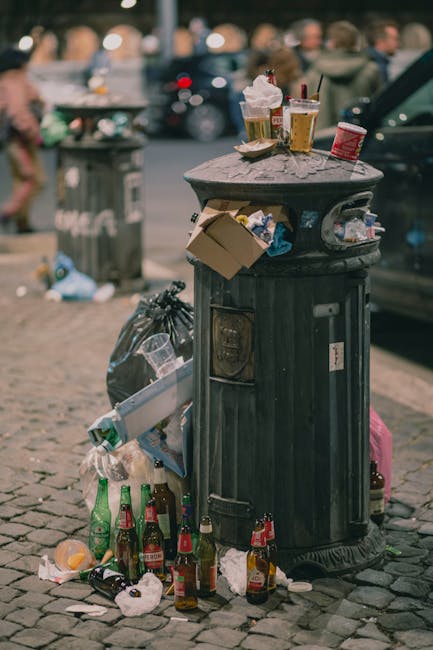
Common mistakes to avoid
Event cleanup mistakes are rarely dramatic. They are usually small oversights that snowball. The bad news? Those little things create extra labour. The good news? They are easy to avoid once you know what to look for.
- Leaving sorting until the end. A mixed pile is slower to clear and harder to recycle.
- Underestimating bulky waste. Folding tables, broken stands, and temporary structures often take more room than expected.
- Ignoring access limits. Tight stairwells, low ceilings, and service entrances matter more than people think.
- Using the wrong bins for food waste. Once food contaminates clean recyclables, you lose the separation advantage.
- Overfilling sacks. Heavy bags are awkward, unsafe, and more likely to split.
- Forgetting the outdoor perimeter. Litter often drifts to thresholds, planters, and pavement edges.
- Skipping the last sweep. This is how glass fragments and tiny debris get left behind.
One more thing: do not assume every item can simply be taken away with the rest. Some waste streams need separate handling or may be better reused or donated. Even when there is no dramatic legal issue, the responsible choice is usually the cleaner one. And yes, it saves arguments later.
Tools, resources and recommendations
You do not need fancy kit to manage event waste properly, but a few simple tools make a big difference. Most of these are basic, which is exactly the point.
- sturdy bin bags in a few sizes
- labelled bins or tubs for sorting
- gloves for handling mixed waste
- tape and cable ties for bundling cardboard or loose materials
- trolleys or dollies for bulky items
- paper checklist for final room-by-room sweeps
- flashlight or phone torch for checking corners and under furniture
If you are handling a high-turnover space, it helps to build in repeatable systems rather than improvising every time. That could mean a standard rubbish station, a cleanup checklist, or a standard order for clearing each room. Small habits, big payoff.
For people comparing support options more broadly, the services overview and pricing and quotes pages can help frame what is typically included before you decide what level of support you need. If payment handling is part of your planning, payment and security information is useful too, especially for event teams working with procurement rules.
And if sustainability matters to your venue or brand, the page on recycling and sustainability is worth a look. Event waste often presents a better recycling opportunity than people realise, provided it is separated properly in the first place.
Law, compliance, standards, or best practice
Event waste handling in the UK is usually guided by common-sense duty of care principles, safe handling practices, and sensible environmental management. You do not need to become a legal specialist to get this right, but you do need to avoid casual disposal habits. In practice, that means using a responsible waste collector, keeping hazardous or awkward items separate when needed, and making sure waste does not create safety hazards on site.
For event organisers, one of the most useful best-practice habits is simple record-keeping. Note what was removed, roughly how it was separated, and when the site was cleared. That is helpful for venue management and for anyone reviewing operations later. It also supports a more professional handover if multiple teams are involved.
If an event includes sharp objects, broken glass, heavy broken furniture, or electrical items, those should be treated carefully and never left where staff or guests might trip over them. In our experience, the cleanups that go smoothly are the ones where the team respects the unglamorous stuff: gloves, careful lifting, clear routes, and a final check. Not exciting. Very effective.
Where safety, insurance, or handling procedures are being reviewed, the pages on insurance and safety and terms and conditions can help you understand the service expectations before booking. For organisations with wider responsibility concerns, the site's modern slavery statement and privacy policy are also part of the trust picture, especially when supplier standards matter.
Options, methods, or comparison table
There is more than one way to manage event waste, and the right choice depends on volume, speed, and how polished the finish needs to be. Here is a simple comparison.
| Method | Best for | Pros | Trade-offs |
|---|---|---|---|
| In-house cleanup | Small gatherings with light waste | Lower direct cost, simple to organise | Time-consuming, staff fatigue, less efficient for bulky items |
| Mixed manual removal | Mid-sized events with moderate rubbish | Flexible, practical, can be done in stages | Still needs coordination and safe lifting |
| Professional event waste collection | Busy events, time-sensitive cleanups, larger volumes | Fast, tidier handover, better for bulky or mixed waste | Requires booking and planning |
If the event has a lot of furniture or temporary setup pieces, you may also need support that looks more like furniture disposal in Fulham than a simple bin collection. That is especially true when items are damaged, heavy, or no longer suitable for reuse.
For household-hosted events, the logic can overlap with house clearance in Fulham. The event may be over, but the house still needs to be returned to normal. Same story, different scale.
Case study or real-world example
Picture a private evening reception near Fulham Palace. By 10:30 p.m., the music has wound down, staff are collecting glassware, and the organisers are staring at three types of waste: catering packaging, floral installations, and a few awkward pieces of rented decor that are not going back into storage. Nothing catastrophic. Just enough to be a nuisance if it is left until morning.
The clean-up team splits the work into lanes. One person handles recyclable cardboard and clean containers. Another clears food waste and disposable service items. A third person deals with the bulky pieces and checks the entrance route for anything that could block movement. The result? The space is cleared methodically, the venue is ready for the next day, and nobody is left dragging bags at midnight while asking where the tape dispenser went. A small victory, but a real one.
That is the key lesson: event rubbish removal works best when it is treated as part of the event plan, not as an afterthought. The more mixed and time-sensitive the waste, the more that structured approach pays off.
Sometimes you will also see overlap with nearby local advice, such as fast rubbish removal tips for Fulham Broadway or the SW6 clearance guide for Parsons Green homes, especially when event waste has to be shifted through a busy residential setting.
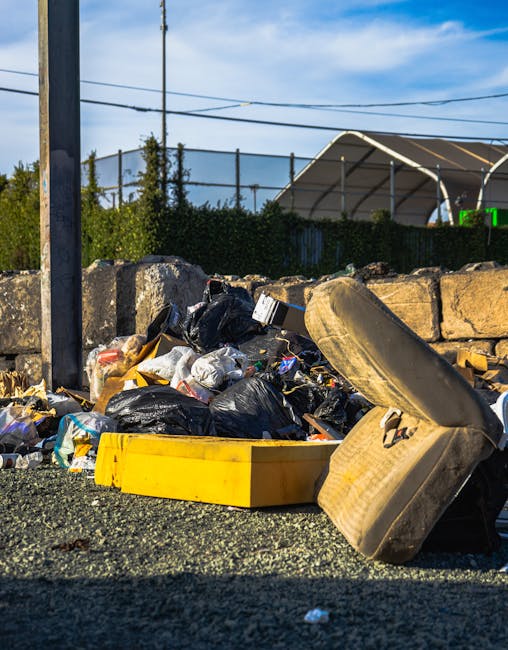
Practical checklist
Use this before and after the event to keep the cleanup controlled.
- Confirm what waste types the event is likely to produce
- Set up labelled bins or collection points in advance
- Assign one person to oversee the clear-down
- Keep reusable decor and equipment separate from rubbish
- Group recyclables where possible
- Plan access routes for loading and removal
- Check for bulky items that need extra handling
- Make sure food waste is removed promptly
- Do a final sweep for glass, tape, and small debris
- Leave the space safe, tidy, and ready for handover
Quick reminder: if you are uncertain whether something should be reused, recycled, or disposed of, pause and inspect it before it gets mixed in. That one small pause often saves a lot of time later.
Conclusion
Fulham Palace rubbish removal for event cleanups is really about control: control over time, safety, presentation, and the final impression an event leaves behind. The best cleanups are not frantic. They are planned, sorted, and removed with just enough structure to keep everybody calm. That sounds simple, but in the middle of a real event it makes all the difference.
If you are organising a gathering, managing a venue, or helping with the aftermath of a busy celebration, the smartest move is to treat waste clearance as part of the event itself. Plan for it early, keep the waste streams sensible, and use the right support for the volume in front of you. It is a small operational choice that can save a lot of time and stress.
Get a free quote today and see how much you can save.
And if the room looks a little quieter once everything is cleared, that is usually a good sign. Fresh air, clean floors, no clutter by the doors. Honestly, there are worse ways to end the night.
 Tipper Van - Rubbish Removal and Waste Clearance Prices in Fulham, SW6
 Luton Van - Rubbish Removal and Waste Clearance Prices in Fulham, SW6

